Turn repeated attorney work into a process that can be run, reviewed, and improved.
Veronica Lopez
I build tools, workflows, and automations attorneys actually use.
I also evaluate what's available, from vendor platforms to open source. Investigations attorney, 10+ years inside an AmLaw 100 firm. I test what exists and build what doesn't.
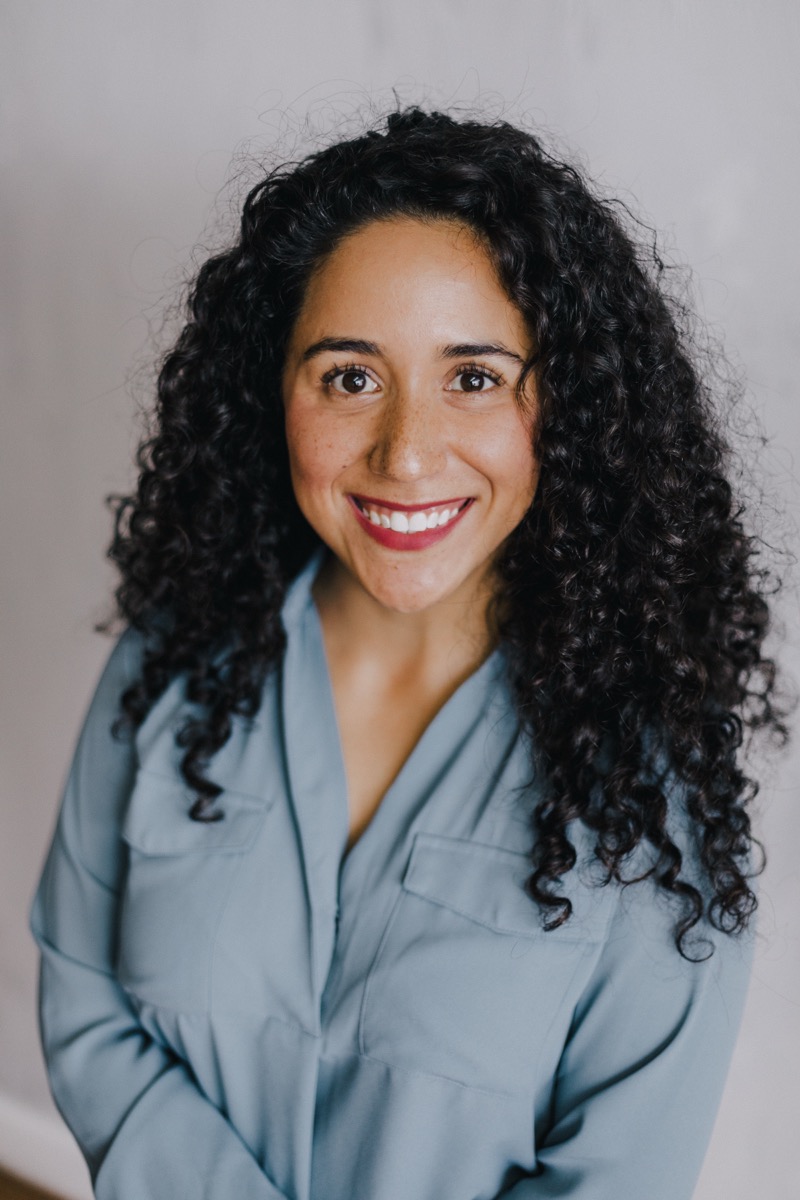
Attorney who builds
AI-powered workflows
Vendor and open source evaluation
LegalQuants mentor
For teams that need legal work translated into usable systems.
The hard part is not prompting. It is choosing the right legal task, defining the review standard, and building something attorneys will trust.
Evaluate vendor platforms and open source tools against the actual legal task, and build when nothing fits.
Turn working prototypes into training, documentation, and repeatable habits.
Selected builds.
Different problems, same move every time: map the legal task, build the workflow, keep review visible.
Found It
A local-first document finder for legal work: matter-aware search over a read-only local index, with visible source documents and trust signals for extraction quality, OCR risk, and duplicates.
The Bench
A Supreme Court oral-argument simulator where an advocate argues out loud and a Justice questions back, grounded in real transcripts, Justice profiles, and replay coaching.
Firm Claude Projects
Law-firm-ready Claude Project instruction sets across seven practice areas. Includes the EU/UK AI Regulatory Tracker, adopted firmwide by hundreds of attorneys and the template for every tracker that followed.
Signal
A platform for tracking legal tech intake, approval, adoption, compliance gates, ROI, renewals, and which tools got used after the pilot.
Attorney Workload Automation
A Microsoft Forms, Excel, and calendar automation that replaced 30+ weekly status emails for an investigations team with one capacity spreadsheet partners use for staffing.
Start with the legal task.
Useful AI starts with what the lawyer is trying to know, decide, draft, review, prepare, preserve, or explain.
Find the repeated work
The drafting, review, research, training, intake, tracking, or analysis attorneys keep rebuilding by hand.
Map the review points
Sources, confidentiality, human judgment, failure modes, and the moments where a lawyer must decide.
Build a narrow system
A usable slice that helps a real team do one recurring thing better, with review built in.
Train the pattern
Documentation, examples, and team habits so the build does not depend on one person.
Attorney who builds.
I'm an investigations attorney who builds AI-powered tools, workflows, and automations for legal work, and evaluates what is already on the market, from vendor platforms to open source. My edge is turning legal work into something a team can run, review, and teach.
Role fit Innovation attorney, innovation counsel, legal engineer, AI enablement, legal innovation, workflow automation.
Best work Turning attorney tasks into tools, playbooks, and team habits.
How I build Inside a locked-down firm environment, while carrying a full investigations caseload.
LegalQuants Invitation-only network of lawyers who build and deploy AI systems in their practice. Vetted in as a member, then asked to mentor attorneys through their first builds.
Writing AI Legal Weekly, a weekly read on legal AI tools and the market, published on LinkedIn.
Hiring for a role like this?
I'm looking for work that runs both directions: evaluating vendor and open source tools against real legal tasks, and building what the market doesn't sell. Legal engineering, innovation, AI enablement, solutions. Remote first preferred. If that's the role, email me.